Gum Grafting
A surgical procedure that transplants gum tissue to cover exposed roots and restore a healthy, protective gumline.
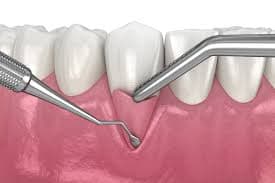
A surgical procedure in which donor tissue — taken from the patient's palate or a tissue bank — is placed over areas of exposed root to restore a healthy gumline and protect underlying bone.
Donor tissue is harvested from the palate or obtained from a tissue bank, sutured over the area of exposed root, and allowed to heal and integrate with surrounding gum tissue over several weeks.
Covers exposed roots to reduce sensitivity, protects against further recession and bone loss, and restores a healthy, even gumline.
Frequently Asked Questions
Common questions about gum grafting.
Patients with significant gum recession that has exposed root surfaces, causing sensitivity, aesthetic concerns, or increased risk of bone loss and root decay.
Donor tissue is placed and sutured in a single surgical appointment. The graft area is tender for one to two weeks during healing.
The surgical procedure is done in a single appointment. Tenderness typically subsides within one to two weeks.
Avoid hard, crunchy, or chewy foods on the treated side during the healing period. Proper home care is essential to support successful tissue integration.
Tenderness at the graft site typically subsides within one to two weeks. Avoiding hard or crunchy foods on the treated side supports successful tissue integration.

Ready for a smile you love?
Book your visit today and experience gentle, all-ages dental care under one roof in Thousand Oaks.